

Most homeowners think of their house as a single structure—a roof, walls, and rooms that create a place to live. But behind those walls is a network of complex systems working together every day to keep the home functional, comfortable, and safe.
Modern homes rely on multiple mechanical systems operating simultaneously: plumbing, electrical infrastructure, heating and cooling equipment, appliances, exterior drainage, and irrigation. Each system has its own components, maintenance requirements, and failure points.
When everything works properly, these systems are invisible. When one fails, it can quickly disrupt the entire home.
Understanding how these systems work—and how they fail—is key to protecting your home.
Plumbing: Small Leaks Become Big Problems

Your plumbing system moves water throughout the home dozens of times a day. Pipes run through walls, floors, and ceilings, connecting sinks, showers, appliances, and outdoor fixtures.
Because most plumbing is hidden, problems often develop out of sight.
Common plumbing failures include:
-
Loose pipe fittings
-
Worn-out supply lines
-
Corroded valves
-
Failing water heaters
-
Slow leaks behind walls
Even a small drip can cause significant damage over time. Water intrusion can lead to mold, warped flooring, and structural deterioration if it goes unnoticed.
Routine inspection and maintenance are critical to catching these issues early.
Electrical: The Invisible Infrastructure
Your electrical system powers nearly everything in the home—from lighting and appliances to internet equipment and smart devices.
While electrical systems are designed to last for decades, components can degrade or become overloaded as homes evolve.
Common electrical issues include:
-
Aging wiring connections
-
Faulty outlets or switches
-
Overloaded circuits
-
Failing breakers
-
Outdoor electrical exposure
Electrical problems can range from minor inconveniences to serious safety hazards. Preventative inspections ensure that the system remains safe and capable of handling modern electrical demand.
HVAC: The System That Works the Hardest
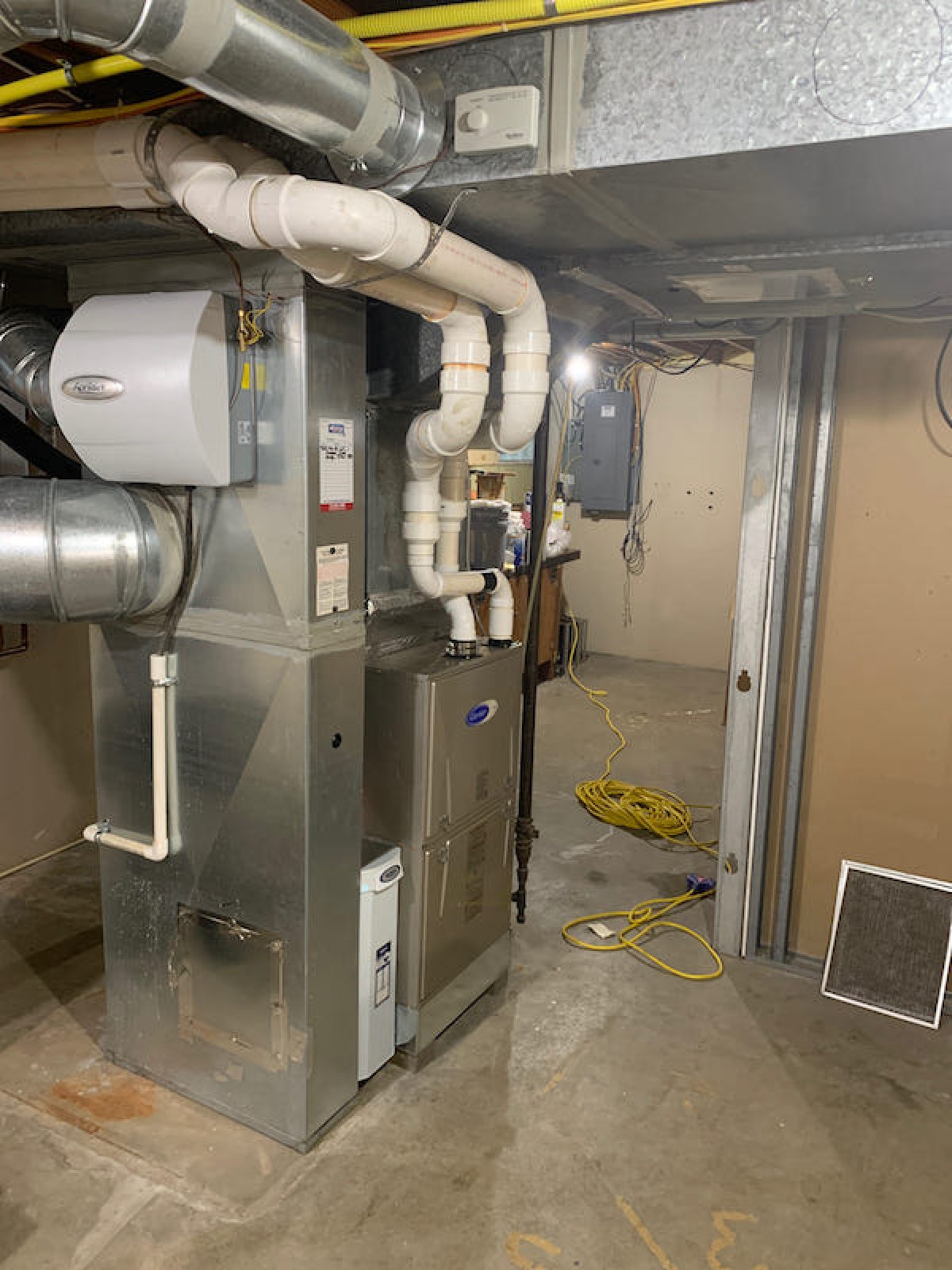
Heating and cooling systems are among the most heavily used components of any home. In many regions, HVAC systems run almost continuously during certain seasons.
Without regular service, wear and tear accumulates quickly.
Common HVAC failures include:
-
Dirty or clogged filters
-
Blocked condensate lines
-
Refrigerant leaks
-
Worn blower motors
-
Failing compressors
Neglected maintenance reduces efficiency, increases energy costs, and shortens the lifespan of the entire system. Routine servicing keeps the equipment operating reliably year-round.
Appliances: Daily Use Means Daily Wear

Modern households depend on appliances to handle essential tasks like cooking, cleaning, and food storage.
These machines operate frequently and contain mechanical and electronic components that gradually wear down.
Typical appliance issues include:
-
Dishwasher pump failures
-
Washing machine hose leaks
-
Dryer vent blockages
-
Refrigerator compressor strain
-
Oven sensor malfunctions
Many appliance failures begin with small maintenance issues that go unnoticed until the appliance stops working altogether.
Roof and Exterior: Your Home’s First Line of Defense

The roof and exterior surfaces protect the entire structure from weather exposure. They also play a major role in preventing water intrusion.
Over time, environmental conditions gradually wear down these protective barriers.
Common exterior failures include:
-
Damaged roof flashing
-
Clogged gutters
-
Cracked exterior seals
-
Worn roofing materials
-
Poor drainage around the foundation
When exterior systems fail, water can enter the structure and damage insulation, drywall, and framing.
Routine inspections help detect vulnerabilities before they become major repairs.
Irrigation: A System Many Homes Depend On
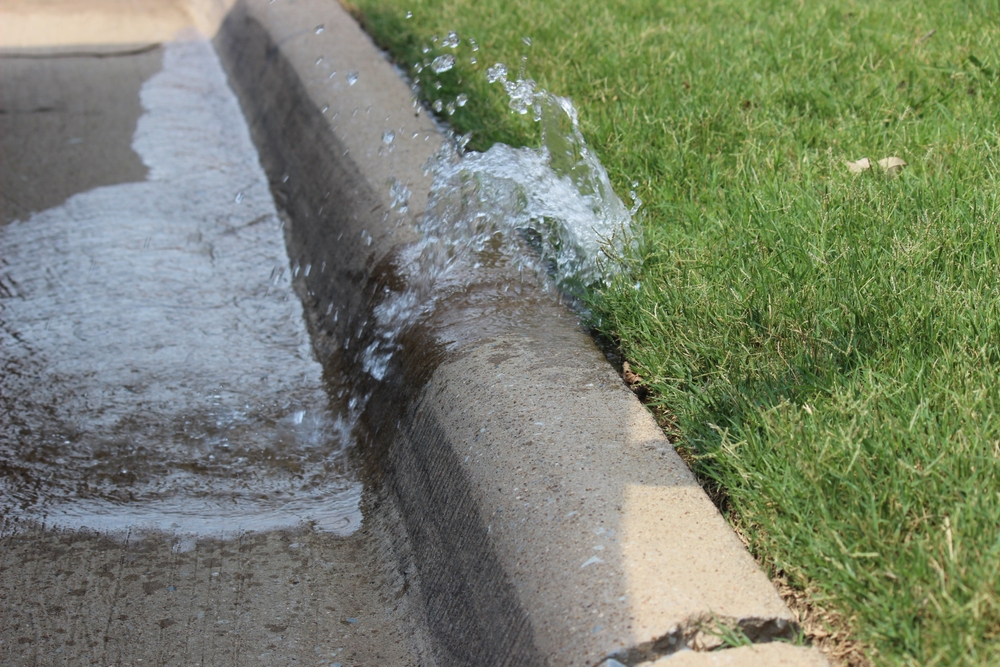
Outdoor irrigation systems often operate automatically and receive little attention until something goes wrong.
But these systems are complex networks of valves, pipes, timers, and sprinkler heads buried throughout the property.
Common irrigation problems include:
-
Broken sprinkler heads
-
Underground leaks
-
Faulty timers or controllers
-
Overwatering or poor coverage
-
Pressure imbalances
When irrigation systems malfunction, they can waste water, damage landscaping, or even contribute to foundation problems.
The Challenge of Managing Every System
The modern home is essentially a collection of interconnected systems. Each one has its own maintenance schedule, service requirements, and potential points of failure.
The challenge for most homeowners isn’t understanding that maintenance is important—it’s keeping track of everything that needs attention.
Plumbing inspections, HVAC servicing, appliance upkeep, roof checks, and irrigation maintenance all occur on different timelines. Coordinating these tasks requires planning, organization, and reliable service providers.
Without a system in place, maintenance often becomes reactive instead of proactive.
Your Home Needs a Systems Manager
Just as businesses rely on facility managers to maintain complex infrastructure, homes benefit from a structured approach to system management.
When maintenance is scheduled regularly and inspections happen consistently, small issues are detected early and systems remain reliable.
This proactive approach reduces costly emergencies and helps extend the life of critical home equipment.
CasaOne acts as the systems manager for your home—tracking maintenance, coordinating service, and ensuring that the hidden systems behind your walls continue working exactly as they should.
Because when every system runs properly, your home simply works.


