

Owning a home comes with a long list of responsibilities. From plumbing and HVAC systems to appliances, roofing, and exterior upkeep, a modern home relies on dozens of systems that require regular attention.
The challenge is that most homeowners do not think about maintenance until something breaks. A leaking pipe, a failing air conditioner, or a broken appliance suddenly demands attention—and often comes with an expensive repair bill.
A home maintenance plan changes this approach. Instead of reacting to problems after they occur, it organizes routine inspections and preventative service so that small issues are addressed before they become costly repairs.
Maintenance vs. Repairs: Understanding the Difference
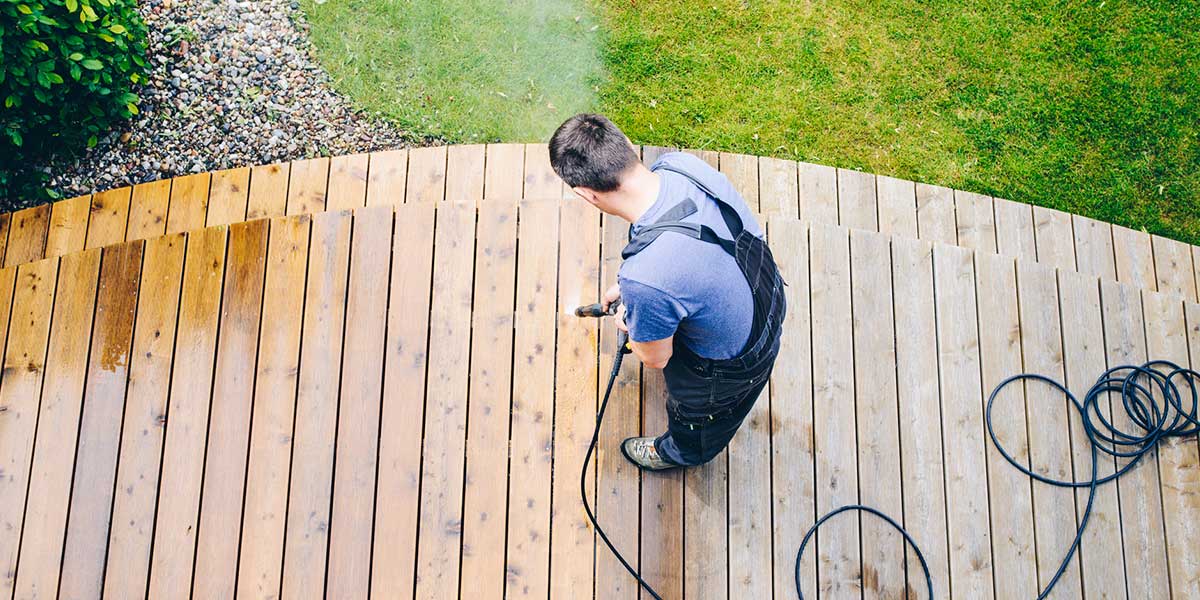
One of the biggest misconceptions about homeownership is confusing maintenance with repairs.
Maintenance is the routine care that keeps home systems operating properly. These tasks are typically scheduled and relatively inexpensive. Examples include replacing HVAC filters, flushing a water heater, cleaning dryer vents, or inspecting roof flashing.
Repairs, on the other hand, occur when something has already failed. Broken pipes, failed compressors, or appliance replacements are examples of repairs that often require urgent service and significantly higher costs.
The goal of a maintenance plan is simple: prevent repairs whenever possible. By identifying small issues early, homeowners can avoid many of the large, unexpected expenses that come with system failures.
What Proactive Home Care Looks Like

Proactive home care means managing your home the same way you would maintain a vehicle. Instead of waiting for warning signs, systems are inspected and serviced on a regular schedule.
A typical maintenance plan may include tasks such as:
-
Seasonal HVAC inspections and filter replacements
-
Plumbing inspections to detect leaks or worn connections
-
Water heater flushing and safety checks
-
Roof and gutter inspections
-
Appliance maintenance and cleaning
-
Irrigation system inspections
These routine services help ensure that the major systems inside your home operate efficiently and last as long as possible.
More importantly, they allow technicians to catch small issues—like worn seals, loose fittings, or clogged drains—before they turn into expensive emergencies.
Why Most Homeowners Forget Critical Maintenance

Most homeowners understand that maintenance is important. The real challenge is keeping track of everything that needs to be done.
A typical home has dozens of maintenance tasks that occur at different intervals:
-
Monthly tasks
-
Seasonal inspections
-
Annual system servicing
-
Multi-year replacements
Between work schedules, family responsibilities, and everyday life, these tasks are easy to forget. Months—or even years—can pass before certain systems receive attention.
This is why so many homeowners only address maintenance after something stops working. Without a clear system for tracking and scheduling tasks, preventative maintenance often falls through the cracks.
The Value of a Structured Maintenance Plan
A home maintenance plan removes the guesswork from caring for your home. Instead of trying to remember every inspection and service interval, homeowners can rely on a structured schedule that keeps critical systems maintained automatically.
The benefits include:
-
Fewer emergency repairs
-
Lower long-term maintenance costs
-
Longer lifespan for home systems
-
Greater peace of mind
Most importantly, a maintenance plan helps protect the value of one of your most important investments: your home.
A Smarter Way to Maintain Your Home
Keeping up with home maintenance should not feel overwhelming. With the right system in place, it becomes a predictable and manageable part of homeownership.
CasaOne builds a custom plan for your home.
By organizing maintenance schedules, coordinating trusted service providers, and ensuring that critical systems receive regular care, CasaOne helps homeowners stay ahead of problems—before they turn into expensive repairs.


